CELUO GEF PROJECT Chimanimani, Zimbabwe
Reversing Land Degradation: Community-led Landscape Management and Rehabilitation in Chikukwa

Introduction
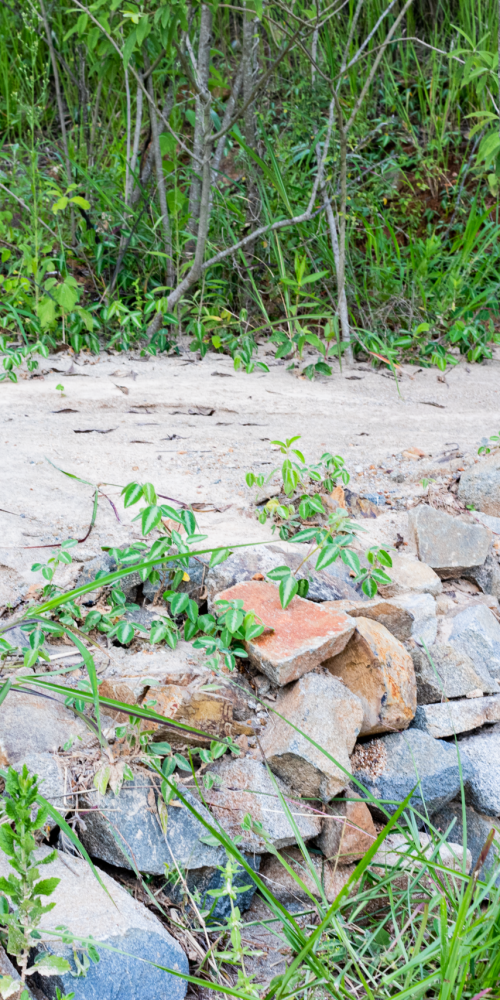
Tropical Cyclone Idai tore through eastern Zimbabwe in March 2019, leaving a trail of destruction in most areas. Chikukwa in Chimanimani wasn’t spared. The left gullies in the watershed. These threatened water sources that the community had depended on for generations. Today, a different song is being sung. A community-led project titled “Reversing Land Degradation: Community-led Landscape Management and Rehabilitation in Chikukwa,” is being implemented by the Chikukwa Ecological Land Use Organisation (CELUO). Its goal is to restore the landscapes damaged by the cyclone and improve the lives of the people who depend on them. This is the story of that journey, told in three parts.
Climate Change
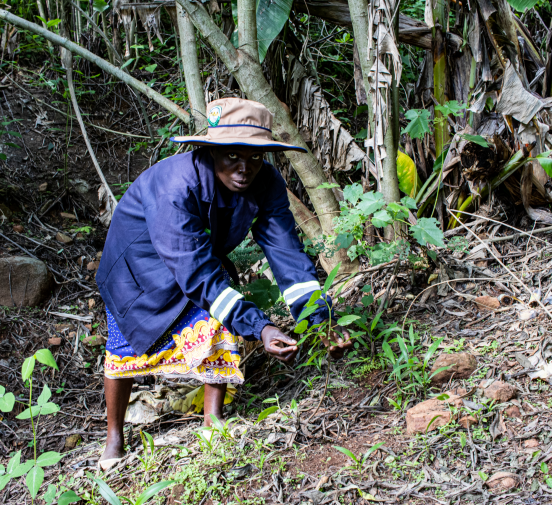
For the people of Chikukwa, climate change is not a distant concept or a problem for future generations. It is a lived reality. Tropical Cyclone Idai was a stark reminder of how vulnerable their community is to the extreme weather events that are becoming more frequent and more intense in a changing climate.
The cyclone left the watershed bare and tracks of erosion. For villages like Rujeko and Kubatana, the destruction was not just environmental but a threat to their homes, food, and their way of life.
Land Rehabilation
The path to recovery has been paved in a simple but effective way of planting trees. With funding from GEF SGP, CELUO has led a remarkable community effort to restore the damaged landscape. More than 12,000 trees have been planted in the villages of Rujeko and Kubatana, with the sole purpose of breathing life back into the land.
The initial planting was a success, but the team knew that one phase was not enough. The project has now moved into its second phase, expanding the scope of the rehabilitation.
This strategy shows the project’s deep understanding of the community’s needs. The trees will bind the soil together with their roots, preventing further erosion during the next rainy season. They will provide shade, restore natural habitats, and, in time, offer a sustainable source of firewood and timber, reducing pressure on the remaining natural forests.
Perhaps the most heartening sign of success is the return of the water. The springs in Rujeko are showing signs of life again. The flow is stronger and clearer. The young trees, by improving the soil’s ability to absorb and hold rainwater, are slowly recharging the underground aquifers that feed the streams. The connection is clear: where there are trees, there is water.
The project has also made a point of involving the younger generation, ensuring that the work will continue long after the funding ends. By giving young people a purpose and a stake in the future, the project has done more than just restore the land. It has built a foundation for lasting community resilience.
Livelihoods
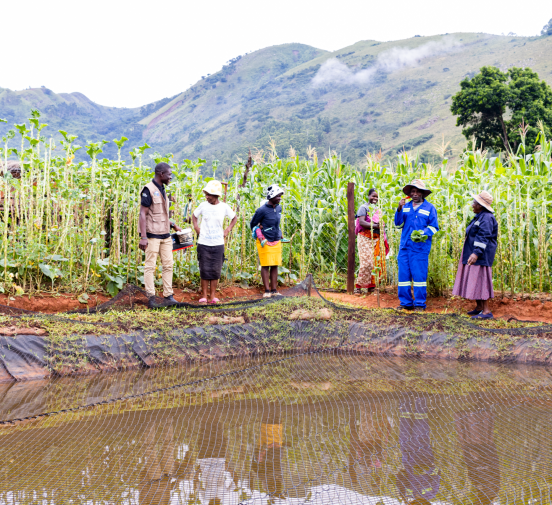
The GEF funded project is changing the way people farm and live. Through its livelihood initiative, farmers have embarked on the concept of agroecology. They are no longer using chemical fertilizers but organic materials.
Under this initiative, the project has provided farmers with a range of new opportunities, including fisheries, poultry, rabbit keeping, goat rearing, and beekeeping.
Across the community, farmers who embarked on goat and poultry projects are expressing similar gratitude. They speak of the manure that helps them produce organic vegetables, the eggs and meat that improve their family’s nutrition, and the steady income that helps them pay school fees and cover everyday expenses.